Seasonal Affective Disorder (SAD) and Chronic Illness
When the days get shorter, low mood can pile on top of fatigue and pain. Here are gentle, energy-aware ways to look after yourself through the darker months.
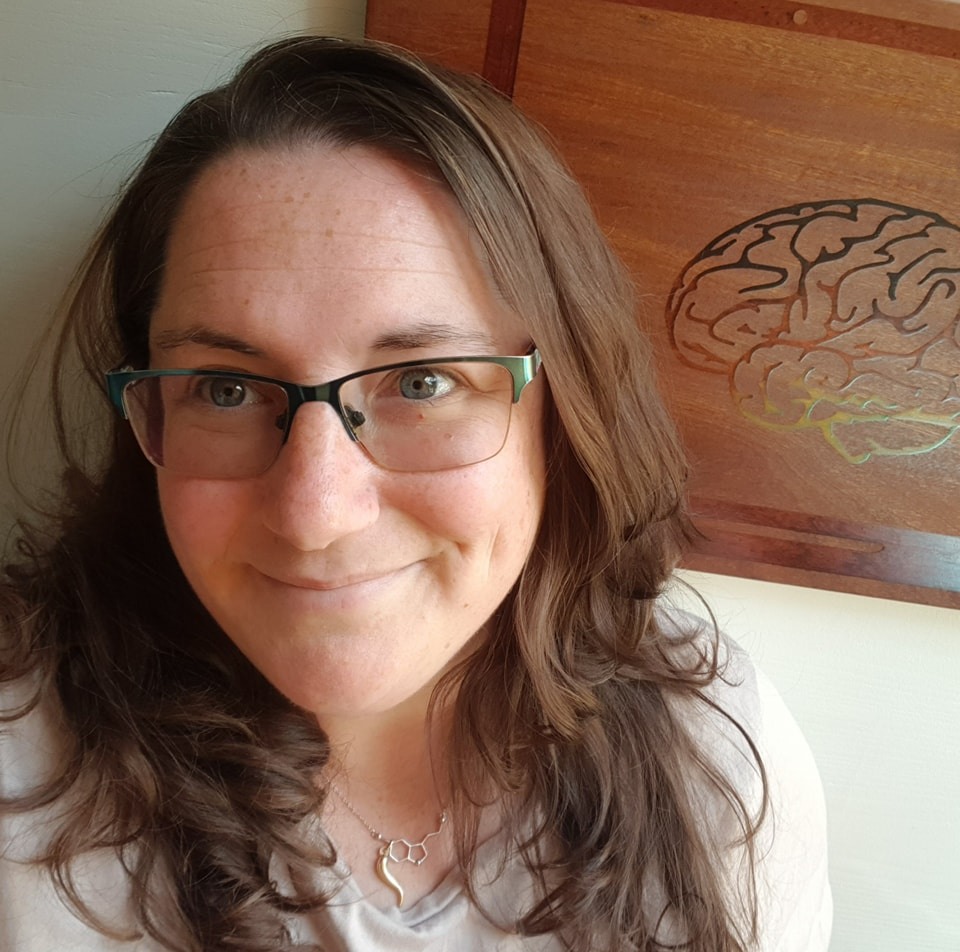 Written by Kim Clayden — HPD, DfSFH, MNCH, AfSFH (reg), CNHC (reg)
When winter weighs a little heavier
Many people notice their mood, motivation and energy dip as autumn turns to winter. For some, this is seasonal affective disorder, often called SAD. When you already live with a chronic illness, it can be hard to tell what is the season, what is your condition, and what is simply being worn down. All of it is real, and none of it is a personal failing.
Common signs of SAD
- A low or flat mood that returns around the same time each year
- Losing interest in things you usually enjoy
- Feeling more tired, sleeping longer, or finding it hard to wake
- Craving carbohydrates or comfort food
- Feeling irritable, tearful or withdrawn
Why it can overlap with chronic illness
Fatigue, poor sleep and low energy are shared by SAD and many long-term conditions, including ME/CFS, fibromyalgia, Long Covid, hypermobility and PoTS. Less daylight can unsettle your body clock, cold weather can increase pain, and staying in more can mean less connection. These changes can feed into each other, which is part of the October slide many people feel.
A helpful clue is pattern. If your mood dips in a similar way every autumn and lifts in spring, separate from your usual flares, it is worth mentioning to your GP.
Gentle, energy-aware ways to help
- Let the light in early. Open curtains as soon as you wake and sit near a bright window in the morning. A short trip outside on a better day counts too.
- Consider a SAD lamp. Light therapy helps many people. Check with your GP or specialist first, especially with eye conditions, migraines or light-sensitive medication.
- Keep a steady wake time. A regular morning anchor can help your body clock more than an early bedtime. See managing sleep in winter.
- Plan small pleasures. A warm drink, a favourite playlist or a phone call with a friend. Small things are easier to keep going than big plans.
- Pace kindly. Lower energy is not laziness. Use spoon theory to plan lighter days.
- Stay gently connected. Low mood often pulls us inward. Low-pressure company, even camera off, can help you feel less alone.
Is it SAD or a winter flare?
These are gentle clues, not a diagnosis. Many people have both at once.
- More like SAD: low or flat mood, losing interest in things you enjoy, sleeping longer but waking heavy, craving carbohydrates, and a pattern that returns each autumn and lifts in spring.
- More like a flare or crash: more pain or stiffness in the cold, flu-like exhaustion a day or two after doing more, or symptoms that ease with rest. See why you crash after a good day.
Using a SAD lamp when you have a chronic illness
Most SAD advice says to sit in front of a bright light box each morning. If you live with migraines, PoTS, ME/CFS or sensory sensitivities, that bright light can feel like too much. Always check with your GP or specialist first, then these ideas may make it gentler:
- Start small. Try 10 to 15 minutes and build up slowly over a week or two if it feels okay.
- Place it to the side. The lamp works from an angle, so you do not need to look straight at it. This can be easier on sensitive eyes.
- Use it lying or sitting down. If standing makes PoTS symptoms worse, use the lamp while resting with breakfast or a warm drink.
- Try a dawn simulator. A light that slowly brightens before you wake can be a softer option if bright light boxes trigger headaches.
- Mornings only. Using bright light late in the day can make it harder to sleep.
- Stop if it doesn't suit you. If you notice headaches, a racing heart, feeling wired or eye strain, stop and talk to your GP.
Relaxation for low winter days
Guided relaxation will not cure SAD, but it can soften tension, quieten a busy mind and give you a calm half hour that asks nothing of you. Past relaxations are available on demand with a free account, so you can listen whenever you need to, with no payment details needed. You can also read about low mood and grief with chronic illness.
When to get support
Speak to your GP if low mood lasts more than two weeks, stops you doing everyday things, or returns each winter. Treatments such as talking therapy, light therapy and medication can help. If you feel very low or unsafe, call Samaritans on 116 123 at any time, or 999 in an emergency.
Common questions
- What is seasonal affective disorder (SAD)?
- SAD is a type of depression that comes and goes with the seasons, usually starting in autumn and easing in spring. Common signs include low mood, loss of interest, low energy, sleeping more and craving carbohydrates. Your GP can talk through whether it might be SAD and what support could help.
- How can I tell SAD apart from my chronic illness symptoms?
- It can be hard, because fatigue, low energy and poor sleep overlap. A useful clue is pattern: if your mood and motivation dip in a similar way every autumn and lift in spring, separate from your usual flare pattern, it is worth mentioning to your GP. A simple mood and symptom note each week can make that conversation easier.
- Is a SAD lamp safe if I have a chronic illness?
- Many people find light therapy helpful, but check with your GP or specialist first, especially if you have an eye condition, migraines, bipolar disorder, or take medication that makes you sensitive to light. Choose a lamp designed for SAD and start with short sessions in the morning.
- What if I'm too tired to go outside for daylight?
- That is very common. Sitting by a bright window in the morning, opening curtains as soon as you wake, or a short supported trip outside on a better day all count. Any daylight is helpful, and you do not need to walk or exercise for it to make a difference.
- When should I get help for winter low mood?
- Speak to your GP if low mood lasts more than two weeks, stops you doing everyday things, or keeps returning each winter. If you feel very low or unsafe, call Samaritans on 116 123 at any time, or 999 in an emergency.
A gentle next step
Try a free live guided relaxation, or watch a past recording on demand with a free account. Join lying down, camera off, with nothing to prepare.
Free live relaxations
The next date is being set. Recordings of past sessions are there whenever you need them.
Online on Zoom, led by Kim Clayden.
- Join live from bed or the sofa, or watch past recordings on demand
- Free with a basic account. No payment details, no membership needed
- No guilt if a flare means you can't make it live. Recordings are there whenever you need them
Curious about weekly quiet co-working and check-ins with Kim? See full membership