Chronic Illness Self-Management
Pacing, fatigue, flare-ups, brain fog and nervous system regulation, the whole picture of looking after yourself between appointments, written for people who don't have spare energy to spend on it.
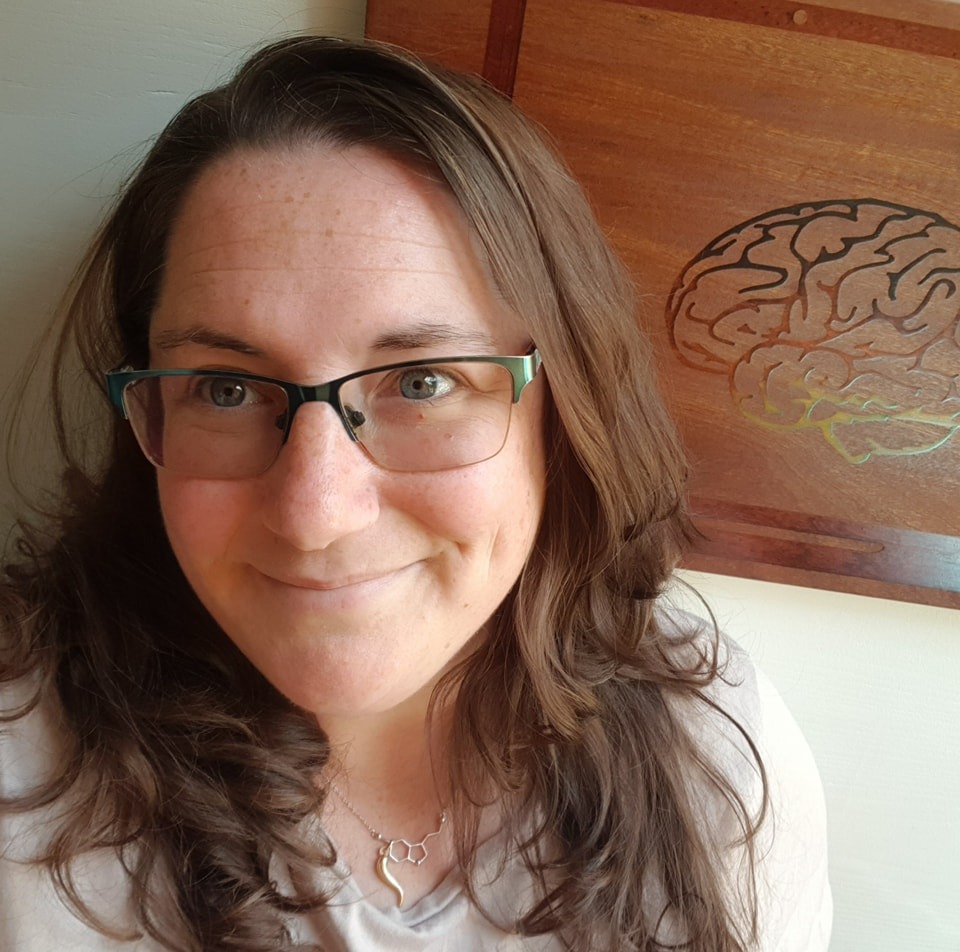 Written by Kim Clayden — HPD, DfSFH, MNCH, AfSFH (reg), CNHC (reg)
What self-management actually involves
Most of living with a long-term condition happens outside of medical appointments. It is the daily mathematics of what you spend energy on, when you stop, what you drop, when a flare arrives, and how you get going again afterwards. That work is real, skilled and largely invisible, and it is what self-management means here.
It breaks down into four repeating jobs: protecting your energy (pacing), reducing cognitive load (brain fog tools), calming a sensitised nervous system, and keeping small routines alive on days when nothing feels possible. Each has its own guide below.
Pacing: the foundation everything else sits on
Pacing means planning activity to stay inside your current energy envelope, and putting rest in before you need it rather than after. It is the single intervention with the strongest evidence base for post-exertional malaise in Long Covid and ME/CFS, and it also underpins hypermobility syndromes energy management.
The hard part is never understanding pacing. It is doing it on a good day, when your body finally feels capable and the backlog is calling. That is where the boom-and-bust cycle begins.
Brain fog and cognitive load
Brain fog depletes you at every decision point, not every action. Reducing decisions (repeating meals, a fixed order for admin, a single written list) usually buys back more function than trying harder ever will. The brain fog tools guide walks through the four that do most of the work.
Calming a sensitised nervous system
Persistent pain and long-term conditions leave the body's threat-detection system running hot. That amplifies the pain, fatigue and brain fog, and it responds to small, repeated signals of safety far better than to willpower. Start with nervous system regulation and the low-energy neuroplasticity exercises you can do from bed.
Keeping routines alive on bad days
Routines fail on chronic illness timescales because they assume a stable baseline. A routine that survives has a flare up plan version: three anchors you keep and everything else dropped without guilt. That is the subject of self-management habits with chronic fatigue.
Where to start when you have almost no energy
Self-management advice usually assumes a spare hour and a clear head. If you have neither, start with the two changes that cost the least and return the most:
- Put one rest block in the diary before you need it; a fixed twenty minutes (at least) lying down, at the same time each day, whether or not you feel you have earned it. Pre-emptive rest is what separates pacing from recovering.
- Pick a single stop signal; one early sign/symptom you agree to look after first and end the activity rather than push through. For most people it is a specific feeling in the head, the eyes or the legs, and it always arrives well before the crash.
Everything else, trackers, energy budgets, heart-rate thresholds, apps, is optional refinement. Adding it before those two are stable is usually how people end up managing their management.
What a realistic week looks like
A workable week has three tiers, decided in advance so you are not negotiating with yourself while depleted. Anchors are the two or three things you keep on every single day, however bad: medication, one meal you do not have to think about, and your rest block. Flexibles are the things you do when there is capacity, in a fixed order so choosing costs nothing, admin, laundry, a short walk/wheel, a message to a friend. Optionals are anything with a social or energy cost you can pay only once or twice a week, and they are booked with a recovery day after them rather than beside each other.
Written down, this becomes a flare up plan: on a bad day you keep the anchors and drop the other two tiers entirely, without deciding anything and without guilt.
The four mistakes that undo good self-management
- Pacing only when you feel unwell. Pacing is a plan for good days. Applied only on bad days, it is just resting.
- Using the whole of a good day. The classic boom precedes the classic bust, capping a good day at around seventy per cent is the single highest-value habit here.
- Measuring instead of changing. Detailed symptom tracking can become its own energy cost, especially with brain fog. Track less; change one thing.
- Doing all of it alone. Plans made in private quietly erode. Gentle, non-hustle company is what keeps them intact, the reason our restful body-doubling sessions exist.
What this approach does not do
It is not a cure, and it does not claim that symptoms are produced by thoughts or effort. It will not replace diagnosis, medication review or specialist rehabilitation, and it is not a substitute for benefits, care or practical support you may need. What it does is reduce avoidable crashes and make the remaining capacity more predictable, which for most people matters more day to day, than any single intervention.
If you'd like to try a paced, guided rest before changing anything else, the free live guided relaxations are free with an account, camera off, lying down, nothing to prepare.
A note on medical care
Everything here is educational and sits alongside your clinical team, not instead of it. New, severe or rapidly changing symptoms deserve a GP conversation.
Guides in this topic
Energy, pacing and fatigue
Pacing Strategies for Long Covid and ME/CFS
Practical pacing skills for post-exertional malaise.
Read guideSelf-Management Habits With Chronic Fatigue
Tiny anchors that survive low-capacity days.
Read guideHypermobility, Fatigue & Pacing
Why hypermobile bodies (hEDS/HSD) run out of energy faster.
Read guideHow To Stop Crashing After a Flare-Up
Breaking the boom-and-bust cycle with earlier warning signs.
Read guideBrain Fog & Fatigue in Fibromyalgia, Hypermobility/EDS and POTS
Why these conditions cause fog and fatigue, and practical ways to protect your capacity.
Read guideBrain Fog Management Tools
Lower the cognitive load before the fog takes the day.
Read guide
Nervous system and pain
Looking for quick answers? See the membership and sessions FAQ or the common questions below.
Common questions
- What does self-management mean with a chronic illness?
- Self-management is everything you do between appointments to keep your condition as stable as possible: pacing your energy, spotting early warning signs, protecting sleep, managing cognitive load, and keeping the routines that help you going on low-capacity days. It sits alongside medical care, not instead of it.
- Is pacing the same as resting more?
- No. Pacing is planned activity within your current energy envelope, including planned rest before you need it. Resting only once you have crashed is the boom-and-bust pattern pacing is designed to interrupt.
- Is brain fog permanent?
- For most people brain fog fluctuates with underlying condition activity, sleep, stress and pain rather than being fixed. Reducing decision load and cognitive demand usually improves function noticeably even when the underlying condition has not changed. New or rapidly worsening cognitive symptoms should be checked by your GP.
- Can chronic illness affect concentration?
- Yes. Fatigue, pain, poor sleep, inflammation and many medications all reduce processing speed and working memory. This is a physiological effect, not a motivation problem.
- How long does it take to see a difference from pacing?
- Most people notice fewer severe crashes within a few weeks of pacing consistently, but a steadier baseline usually takes months. It is slow, unglamorous work — which is exactly why doing it alongside other people helps.
What membership adds
- Weekly quiet co-working (restful body-doubling)
- Live check-ins with Kim (gentle, solution-focused support)
- The Quiet Corner (a wordless, zero-pressure shared pause)
- Guided Audio & Relaxation Toolkit (calming practices whenever you need a moment of ease)
- Low-Capacity Resource Library (printable tools, videos, and workshop/live event replays to explore at your own pace)