Chronic Illness, Low Mood and Grieving Your Old Self
Why low mood and grief come with a long-term condition, how identity shifts after diagnosis, and small, low-energy ways to steady yourself on the hard days.
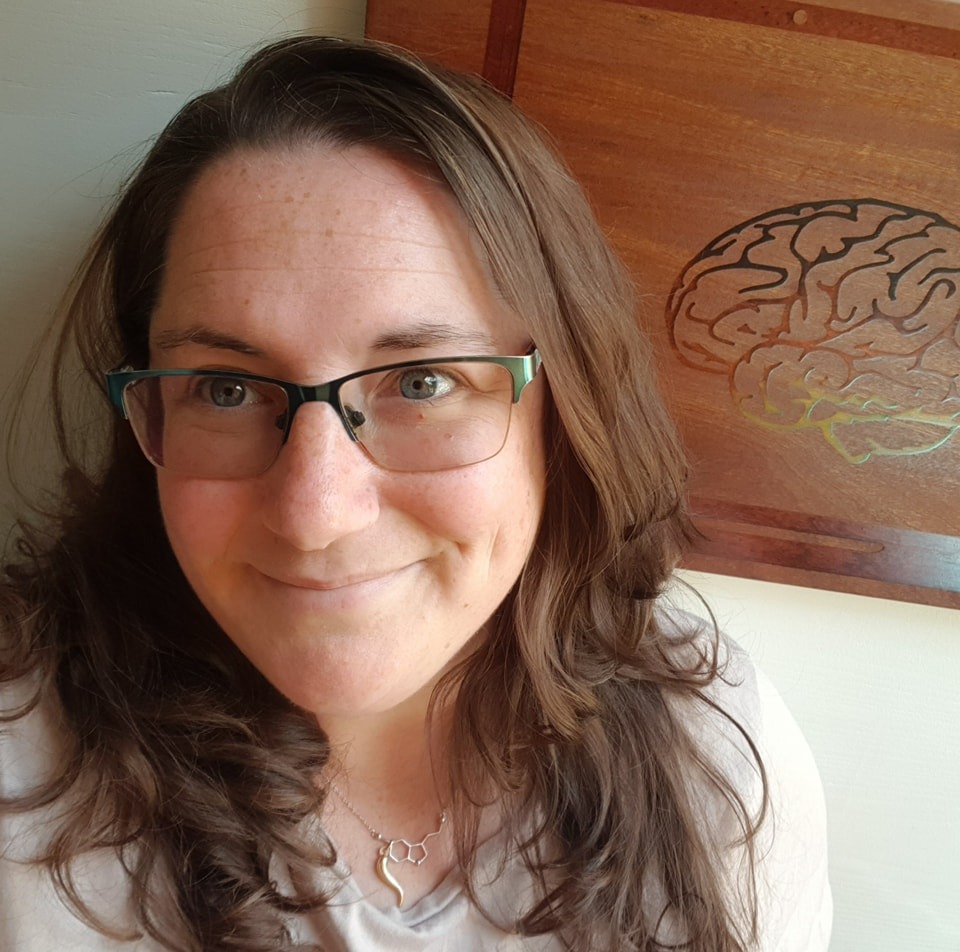 Written by Kim Clayden — HPD, DfSFH, MNCH, AfSFH (reg), CNHC (reg)
Why low mood is so common with a long-term condition
If your mood has dropped since becoming unwell, there is nothing mysterious about it. Pain that does not stop, broken sleep, fatigue that no rest quite clears, appointments, admin, uncertainty and the constant work of managing yourself all take a toll. Add cancelled plans and the sense of being left behind, and low mood becomes a reasonable response rather than a separate problem you have brought on yourself.
That matters, because people with chronic illness are often quietly told that they should be coping better. You are not failing at positivity. You are carrying something heavy, most of it invisible to everyone else.
Grieving the person you were before
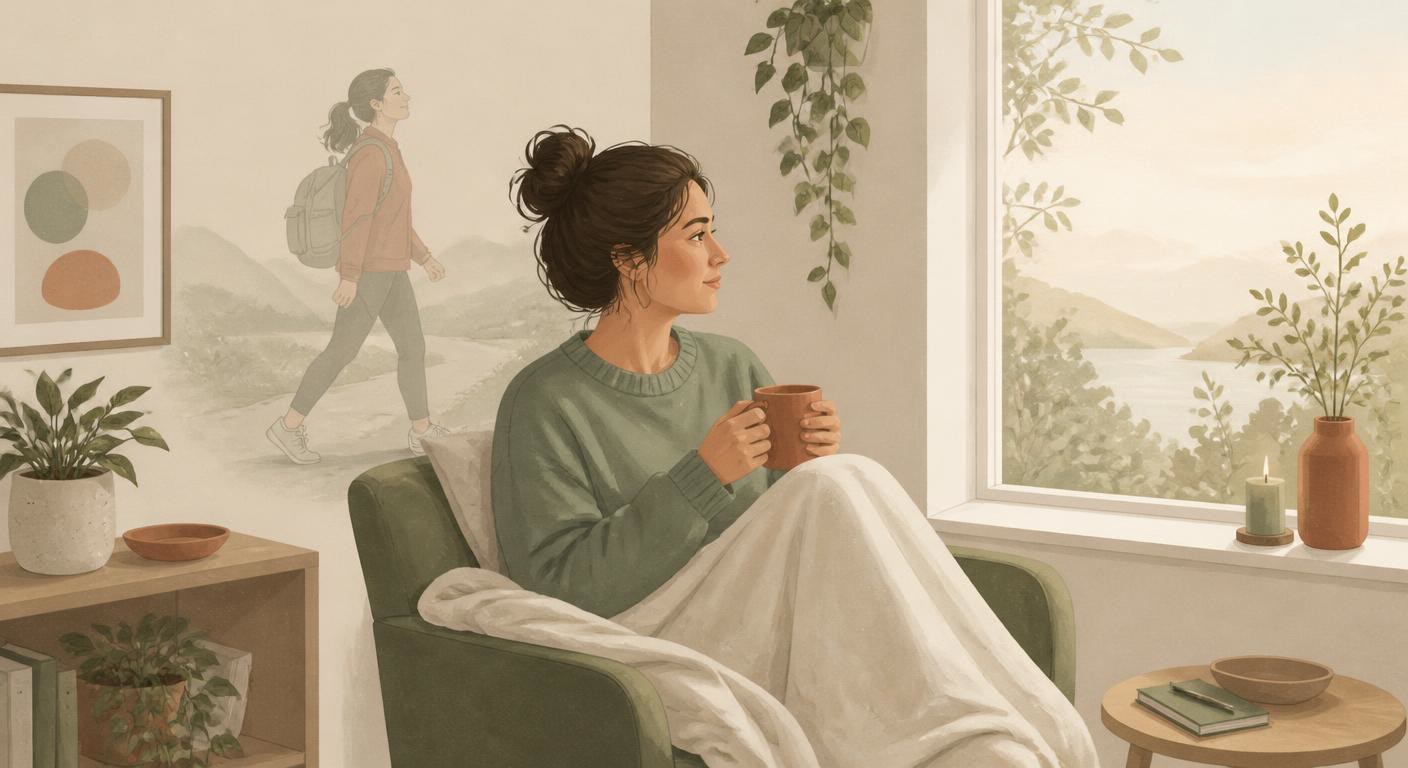
Grief is the word most people reach for once they feel permitted to use it. You may be grieving work you loved, a body you trusted, spontaneity, a social life, a future you had assumed. Because that loss is ongoing rather than finished, it does not resolve in tidy stages.
Expect it to arrive in waves. A friend's holiday photos, an anniversary of a diagnosis, a stair you cannot manage today: any of these can reopen it years later. A wave is not a relapse. Naming it as grief, rather than as weakness or ingratitude, usually takes some of the sting out of it.
When your illness starts to feel like your identity
Long-term conditions have a way of taking up the whole frame. Conversations become symptom reports, calendars become appointments, and the parts of you that have nothing to do with health can get quietly crowded out.
A useful separation is between what you do and what you are. Your sense of humour, your taste in music, your kindness, your curiosity, your standards for how people should be treated: none of those need capacity. Pick two or three that still feel true, and find the smallest possible way to express one of them this week. One song. One message. One page of something you enjoy.
Five low-energy ways to hold your mood steady
1. Let the feeling be accurate
Trying to talk yourself out of grief usually adds a second layer of frustration. Saying plainly, "this is grief, and it makes sense", often settles the nervous system faster than arguing with it.
2. Keep one thread of connection
Isolation deepens low mood quickly. One voice note, one message, or one shared camera-off session is enough to break the sense of being entirely alone with it. The aim is contact, not conversation.
3. Plan one small pleasure ahead
Hopelessness feeds on empty days. Something fixed and gentle in the diary, a particular tea, an audio track, a live relaxation at a set time, gives tomorrow a shape without demanding energy.
4. Notice one thing that went right
Not forced gratitude. One small fact: the cat settled near you, the shower helped, someone made you laugh. Chronic illness trains the brain to scan for threat, and this gently widens the search.
5. Make rest emotionally allowed
Rest that comes with guilt does not restore much. Deciding in advance that today's rest is a maintenance task, not a reward you failed to earn, changes how much good it does you.
When to ask for more support
Maintenance is not a substitute for treatment. Speak to your GP if low mood lasts most days for more than two weeks, if you have lost interest in almost everything, if sleep or appetite have changed markedly, or if hopelessness has turned into thoughts of harming yourself. If you need to talk to someone now, the Samaritans are free on 116 123, at any hour.
Alongside that, gentler reading may help: staying mentally well with a long-term condition, coping with a flare without crashing and isolation and brain fog after therapy.
Common questions
- Can a chronic illness cause depression and low mood?
- Living with a long-term condition raises the risk of low mood considerably. Persistent pain, poor sleep, uncertainty, lost plans and the effort of constant self-management all wear on the nervous system. Low mood in that context is a response to circumstances, not a personal failing.
- Is it normal to grieve the person I was before I got ill?
- Yes. Grief for the life and identity you expected is one of the most common experiences people describe, and it can return each time your capacity changes. It is not self-pity, and it does not mean you have failed to accept your condition.
- Why does grief keep coming back years after diagnosis?
- Chronic illness grief tends to be cyclical rather than linear. Anniversaries, missed events, a new symptom or a friend's news can all reopen it. Expecting the waves makes them easier to ride, because you stop treating each one as a relapse.
- How do I keep a sense of identity when I can do so little?
- It helps to separate what you do from what you are. Your humour, taste, care for people, curiosity and values do not depend on your capacity. Naming two or three of those qualities, and finding a very small way to express one, keeps identity alive on low-capacity days.
- When should I get professional help for low mood?
- If low mood lasts most days for more than a couple of weeks, if you have lost interest in nearly everything, if sleep or appetite have shifted markedly, or if you have thoughts of harming yourself, speak to your GP. Self-management sits alongside professional care rather than replacing it.
- What helps on the very worst days?
- Lower the bar to something almost embarrassingly small: warmth, water, one message to another person, one planned pleasure. Company that asks nothing of you, like a camera-off guided relaxation, is often easier than anything requiring motivation.
A gentle next step
A free live guided relaxation is one small planned pleasure you can join from bed, camera off, with nothing to say. Membership adds regular quiet company and fortnightly check-ins with Kim for £55 a year.