Neuroplasticity Exercises for Chronic Pain
Five neuroplasticity exercises for chronic pain that take a minute or two each and can be done lying down, from bed or the sofa, on a low-energy or flare day. No equipment, no stretching targets, and nothing you need to be well enough to start.
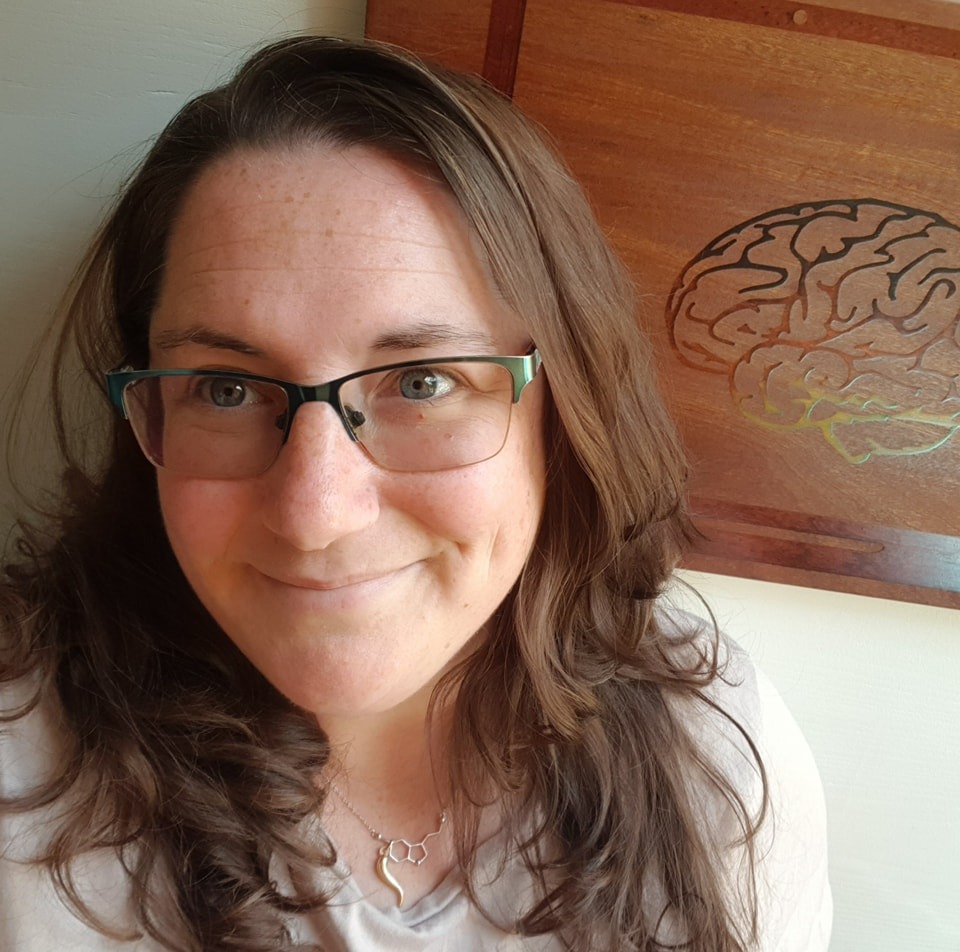 Written by Kim Clayden — HPD, DfSFH, MNCH, AfSFH (reg), CNHC (reg)
Why neuroplasticity matters in chronic pain
Persistent pain isn't just a signal from injured tissue, it's a pattern the brain has learned to predict and protect against. The good news is that the same neuroplasticity that wired those patterns in can gently wire calmer, less protective patterns back out. The work is small, repeated, and kind. Not heroic.
Solution-focused therapy fits this beautifully: instead of fighting the pain story, we notice what's already a little better, and build slowly from there.
1. Orienting (1–2 minutes)
Let your eyes drift slowly around the room. Notice five things you hadn't really looked at today, the colour of a wall, the shape of a leaf, the light in a corner. Orienting tells the brain's threat-detection system, "we are here, we are safe, nothing is chasing us." It's the smallest possible nervous-system reset.
2. Tiny pleasant movements
Rather than chasing a stretch or a rep count, look for a movement that feels mildly pleasant, a slow shoulder roll, opening and closing a hand, a gentle ankle circle. Repeat it a handful of times and stop while it still feels good. You're teaching the brain that movement can be safe, not threatening.
3. Breath lengthening
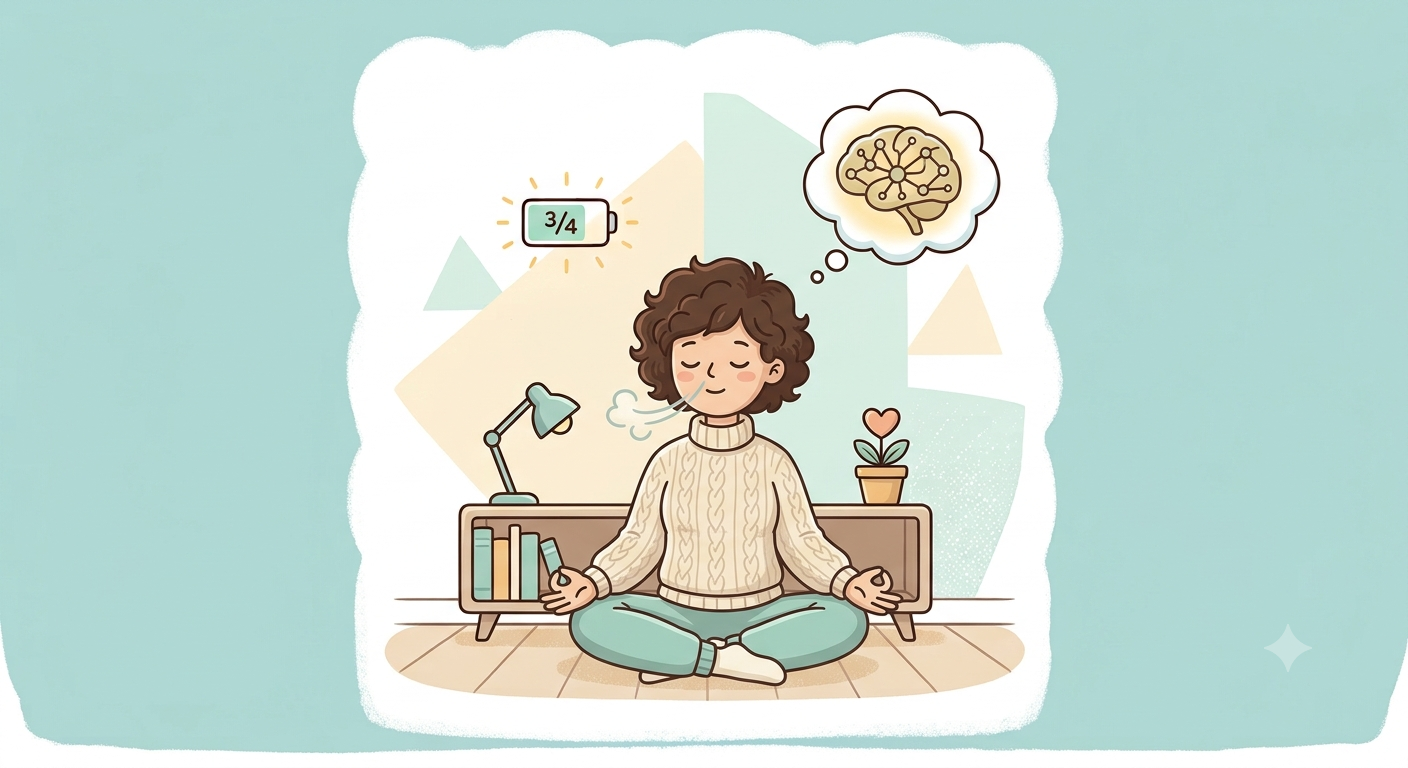
Without forcing anything, let your out-breath grow a little longer than your in-breath for a minute or two. A longer exhale tips the autonomic nervous system toward the rest-and-digest side, a quiet, repeatable cue that you're not in danger right now.
4. The "what worked" reflection
At the end of the day, name one small thing that went a little better than expected, or one moment of ease, even 30 seconds of it. Writing it down strengthens the neural pathways that notice safety, capability, and small wins. Over weeks, the brain gets better at finding them on its own.
5. Visualised safety
Bring to mind a place, real or imagined, where your body feels at ease. Spend a minute noticing the details: the temperature, the sounds, the light. The brain doesn't strongly distinguish vividly imagined experience from lived experience, so this is genuine practice in feeling safe.
Does neuroplasticity work for chronic pain?
It is a fair question, and the honest answer is: partly, and not in the way the internet often promises. Neuroplasticity is not a cure and it is not a claim that pain is imaginary. Persistent pain involves a nervous system that has become very good at predicting danger and very quick to protect. Neuroplasticity work targets that prediction, not the tissue, which is why it tends to change how loud, how threatening and how long-lasting a flare feels, rather than switching pain off.
In practice, people report three kinds of change: flares that settle faster, fewer days lost to the fear-of-movement spiral, and a slightly wider window of activity before symptoms escalate. Those are real gains. They are also modest gains, and they arrive faster when neuroplasticity practice sits alongside pacing, sleep, medical treatment and physiotherapy rather than replacing any of them. If a programme tells you to push through pain to "retrain" your brain, that is the opposite of what this guide is asking for.
How long do neuroplasticity exercises take to work?
Two to four weeks of small daily practice is usually enough to notice something, often not less pain, but a slightly different relationship with it: the alarm quietens sooner, the catastrophic thought loses a little grip. Changes to your general baseline take longer, commonly three to six months, and they rarely arrive as a straight line. Expect a sawtooth: better, then a flare, then better from a slightly higher floor.
The single strongest predictor is repetition frequency, not session length. The nervous system learns from how often a pattern recurs, so five two-minute repetitions across a day outperform one ten-minute effort. That is convenient, because two minutes is achievable on a day when nothing else is. If you have managed only one exercise, once, lying down, the practice happened.
A note on measuring: pain scores are a poor short-term signal because they swing for unrelated reasons. Track something steadier instead, how many hours you felt able to be upright, or how quickly a flare settled compared with last month. See how to stop crashing after a flare-up for a gentler way to track that.
Nervous-system retraining after injury
Much of what we know about neuroplasticity comes from neurorehabilitation after stroke and spinal cord injury, where graded, repeated, non-threatening input is used to help the nervous system relearn movement and recalibrate sensation. The same mechanism is at work in central and neuropathic pain: the system has learned a protective pattern, and repetition is how it learns a calmer one.
What changes after injury is the safety margin. Sensation may be altered or absent, autonomic responses can be unpredictable, and some movements carry real risk. So the practices here should be treated as the calm half of a plan your rehab or pain team owns, bring them to your physiotherapist or consultant before adding them, and let their guidance set the limits. Orienting, breath lengthening and visualised safety are usually the safest starting points, since none of them require movement at all. Pair them with nervous-system regulation for chronic pain if the aim is calming an over-protective system rather than building capacity.
Pairing these with body-doubling
Each of these exercises is ideal for a restful body-doubling session: short, low-effort, and easier to start in the quiet company of others. You don't need to share what you're doing. Showing up is the practice.
If you'd like to try these alongside others, our weekly restful body-doubling sessions are designed for exactly this kind of gentle, parallel self-maintenance.
Common questions
- What is neuroplasticity?
- Neuroplasticity is the brain's ability to change its own wiring in response to repeated experience. In persistent pain it works both ways: it helps establish protective pain patterns, and it is also what allows calmer patterns to be learned.
- Do neuroplasticity exercises work for chronic pain?
- They can reduce how threatening and how loud pain feels for many people, particularly alongside pacing and good medical care. They are a maintenance practice rather than a cure, and they work through repetition rather than intensity.
- How often should I do them?
- Little and often. A minute or two, several times a day, changes more than one long session a week, and it is far more realistic on low-energy days.
- How long do neuroplasticity exercises take to work?
- Most people notice small shifts in how tolerable a flare feels within two to four weeks of daily practice, and clearer changes in baseline over three to six months. The variable that matters is consistency, not session length, two minutes a day beats an hour once a fortnight.
- Can neuroplasticity exercises help after an injury, including spinal cord injury?
- The same principles are used in neurorehabilitation: repeated, graded, non-threatening input helps the nervous system relearn calmer patterns, which can reduce neuropathic and central pain. They sit alongside your rehab team's plan rather than replacing it, always check new practices with the clinicians managing your care.
- Can I do these if I'm bed-bound?
- Yes. Orienting, breath lengthening, visualised safety and the end-of-day reflection all work lying down and require no equipment.
References & further reading
This guide is educational and does not replace individual medical advice. Please consult a qualified clinician about your own health.
What to do next
One small thing to try today: choose one exercise from this guide and do it once, in bed, for a minute or two. If that feels easier in company, the gentlest next step is a live guided relaxation — camera off, no talking, and free with an account.